
Updated 3 January 2024 COMPLETE LIST OF RECORDED COMPOSITIONS A B C D E F G H I JK L M N O P Q R S T U V W X Y Z Aether (1983)  DISTANT IMAGES Label: Lovely Music, Ltd. VINYL Available at: Lovely Music amazon.com Ambages (1965)  to the Music of Roger Reynolds Neuma Records Available at: amazon.com Neuma Records
The Angel of Death (1998-2001)  COMPLETE PIANO WORKS EPIGRAM AND EVOLUTION mode Records Available at: moderecords.com amazon.com Archipelago (1982-83)  THE PARIS PIECES Neuma Records Available at: amazon.com Neuma Records Ariadne's Thread (1994) 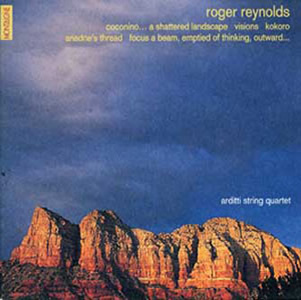 Montaigne and ℗ 1994/96 © 2000 AUVIDIS / NAÏVE Available at: Amazon Aspiration (2004-2005) 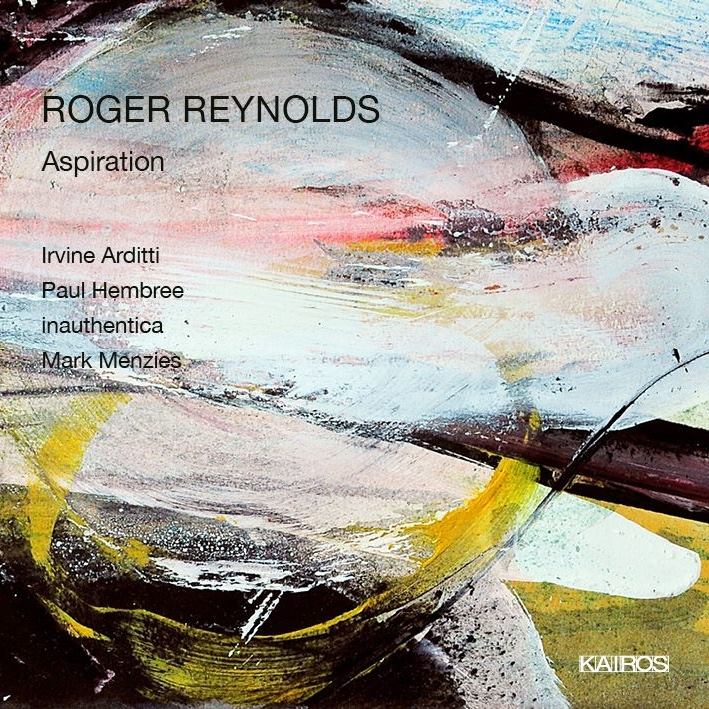 ROGER REYNOLDS Kairos Available at: kairos amazon.com 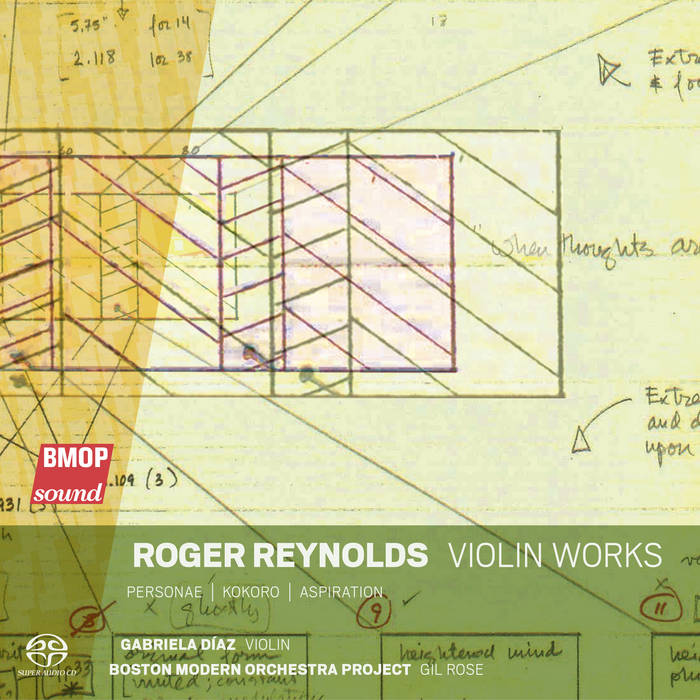 VIOLIN WORKS BMOP Available at: Bandcamp Autumn Island (Islands from Archipelago: II) (1986)  Neuma Records Available at: Neuma Records THE PARIS PIECES Neuma Records Available at: amazon.com Neuma Records 
Fontec Available at: amazon.com Blind Men (1966)  CRI-New World Records VINYL available at: amazon.com ...brain ablaze...she howled aloud (2000-2003)  FLUE Coconino...a shattered landscape [rev. 1993] (1985)  Pieces by Beethoven, Nancarrow, Crawford-Seeger, Reynolds, Xenakis, Gramavision Available at: amazon.com
ARDITTI QUARTET Montaigne and ℗ 1994/96 © 2000 AUVIDIS / NAÏVE Available at: amazon.com Colombi Daydream (2010) 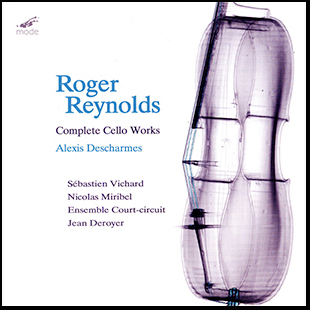 ROGER REYNOLDS mode records Available at: amazon 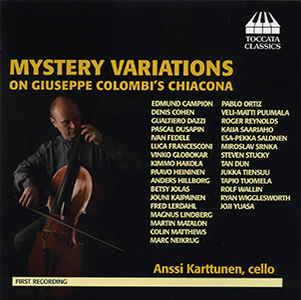 on Giuseppe Colombi’s Chiacona Toccata Classics Available at: toccata classics amazon A Crimson Path (2000-2008)
ROGER REYNOLDS mode records Available at: amazon Dream Mirror (2010) 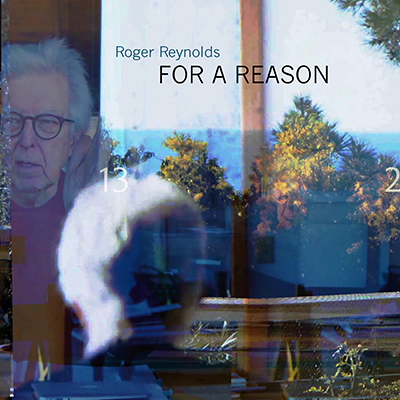 FOR A REASON The Dream of the Infinite Rooms (1986) 
GM Recordings Available at: amazon.com amazon.co.uk Eclipse [Voicespace III] VIDEO Version (1979) 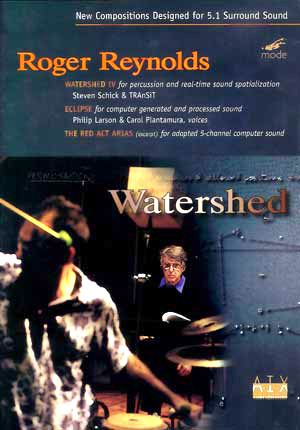 (with video) mode records DVD Available at: moderecords.com Amazon.com 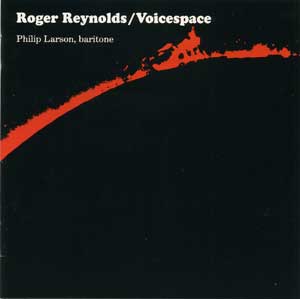 VOICESPACE (sound only) Lovely Records, Ltd. VINYL & CD CD available at: amazon.com Vinyl available at: Discogs
The Emperor of Ice Cream [rev. 1974] (1961-62) 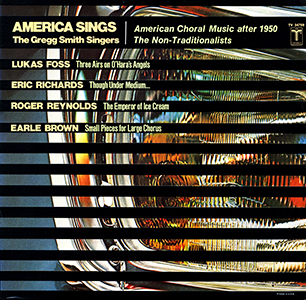
CRI-New World Records VINYL Vinyl available at: amazon.com
Epigram and Evolution (1960) 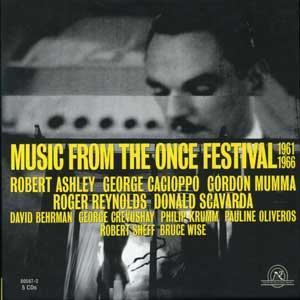 1961-1966 New World Records Available at: amazon.com New World Records COMPLETE PIANO WORKS EPIGRAM AND EVOLUTION mode records Available at: moderecords.com amazon.com Fantasy for Pianist (1964) 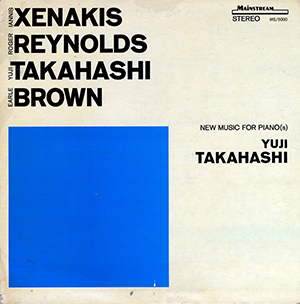 YUJI TAKAHASHI VINYL Mainstream Records vinyl available at: Discogs ROGER REYNOLDS Neuma Records Available at: amazon.com Neuma Records
ROGER REYNOLDS COMPLETE PIANO WORKS EPIGRAM AND EVOLUTION mode records Available at: moderecords.com amazon.com FLiGHT (2012-2016) 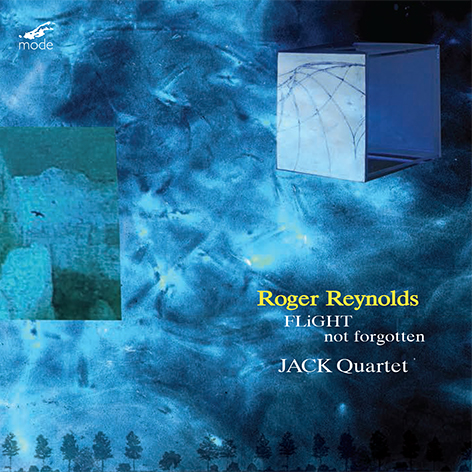
ROGER REYNOLDS AT 85, VOL. 1: String Quartets JACK Quartet Mode Records 326 Available at moderecords.com amazon.com Focus a beam, emptied of thinking, outward... (1989)
ROGER REYNOLDS – ARDITTI QUARTET Montaigne and ℗ 1994/96 © 2000 AUVIDIS / NAÏVE Available at: amazon.com 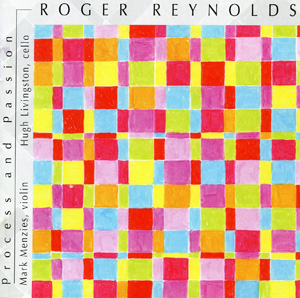 ROGER REYNOLDS Pogus Productions Available at: amazon.com
COMPLETE CELLO WORKS ROGER REYNOLDS mode records Available at: hbdirect.com amazon.com ArkivMusic FOUR Etudes for Flute Quartet (1961) 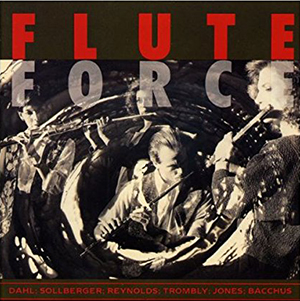 CRI-New World Records Available at: Amazon ...from behind the unreasoning mask (1974-75) 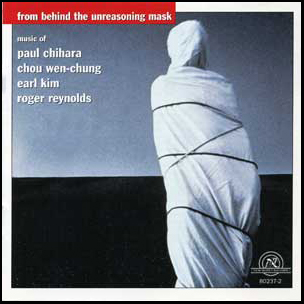 New World Records CD & VINYL Available at: amazon.com LP available at: amazon.com Here and There Available at: Neuma Records 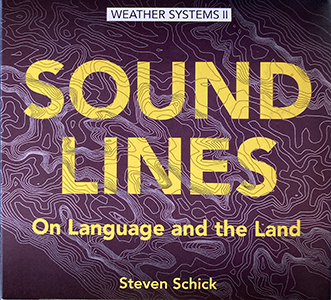 Weather Systems II: Soundlines: On Language and the Land Available at: Islandia Music Records Amazon imagE/cello (2007) ROGER REYNOLDS mode records Available at: amazon.com 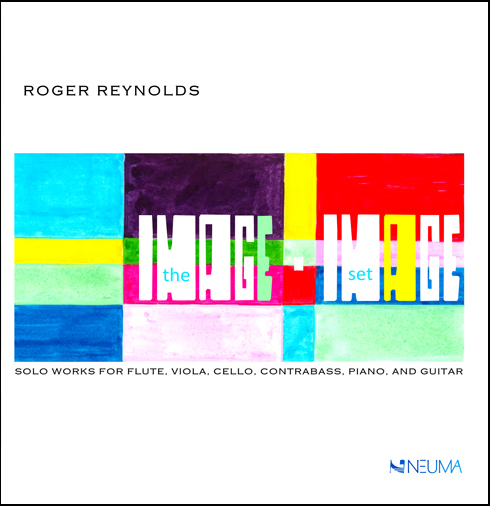 ROGER REYNOLDS Neuma Records Available at: Neuma Records imAge/cello (2007) ROGER REYNOLDS mode records Available at: amazon.com ROGER REYNOLDS Neuma Records Available at: Neuma Records imagE/contrabass (2008) 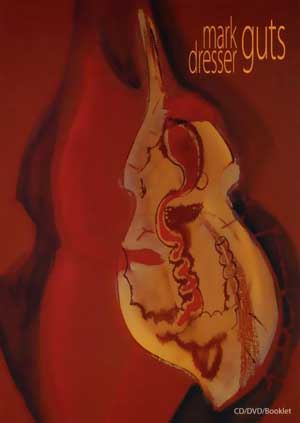 DVD & MP3 ALBUM Kadima Collective Label Available at: kadimacollective.com (DVD) amazon.com (MP3 album)
ROGER REYNOLDS Neuma Records Available at: Neuma Records imAge/contrabass (2010) DVD & MP3 ALBUM Kadima Recordings Label Available at: kadimacollective.com (DVD) amazon.com (MP3 album) ROGER REYNOLDS Neuma Records Available at: Neuma Records imagE/flute (2009) ROGER REYNOLDS Neuma Records Available at: Neuma Records imAge/flute (2014) ROGER REYNOLDS Neuma Records Available at: Neuma Records imagE/piano (2008) COMPLETE PIANO WORKS EPIGRAM AND EVOLUTION mode records Available at: moderecords.com amazon.com ROGER REYNOLDS Neuma Records Available at: Neuma Records imAge/piano (2008) COMPLETE PIANO WORKS EPIGRAM AND EVOLUTION mode records Available at: moderecords.com amazon.com ROGER REYNOLDS Neuma Records Available at: Neuma Records imagE/guitar (2009) ROGER REYNOLDS Neuma Records Available at: Neuma Records imAge/guitar (2009) ROGER REYNOLDS Neuma Records Available at: Neuma Records imagE/viola (2012)
THE IMAGE - IMAGE SET ROGER REYNOLDS Neuma Records Available at: Neuma Records imAge/viola (2014) ROGER REYNOLDS Neuma Records Available at: Neuma Records imagE/violin (2015) Kairos Available at: kairos amazon.com imAge/violin (2015) Kairos Available at: kairos amazon.com Ivanov (1991) 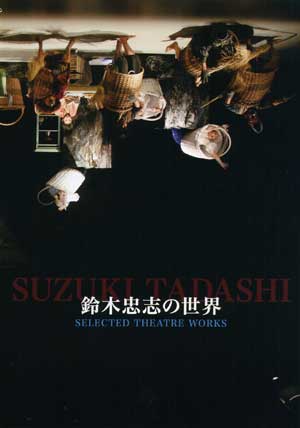 NHK, Suzuki Tadashi Theatre Company DVD Available at: amazon.co.jp The Ivanov Suite (1991)  ELECTROACOUSTIC MUSIC New World Records DVD available at: amazon.com Journey (2023) 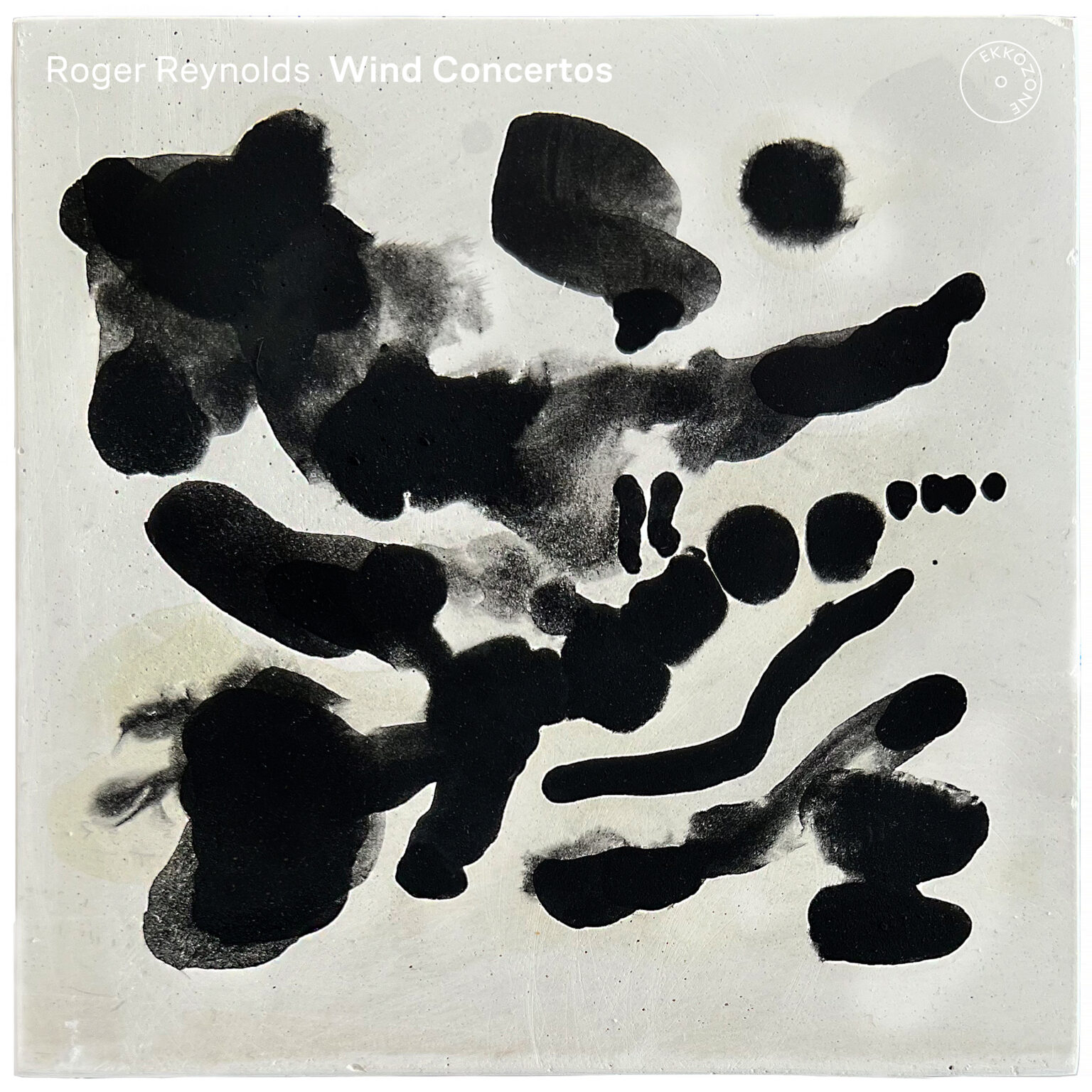 Wind Concertos Available at: Divine Arts Records Kokoro (1991-1992) VIOLIN WORKS Available at: Bandcamp Montaigne and ℗ 1994/96 © 2000 AUVIDIS / NAÏVE Available at: amazon.com ROGER REYNOLDS Pogus Productions Available at: amazon.com
ASPIRATION Kairos Available at: kairos amazon.com last things, I think, to think about (1994) 
LAST THINGS, I THINK, TO THINK ABOUT ROGER REYNOLDS Text: poems by John Ashbery Available at: EMF Media Neuma Records Less than Two (1978)
ROGER REYNOLDS DISTANT IMAGES Lovely Music, Ltd. VINYL & CD Available at: Lovely Music amazon.com
ROGER REYNOLDS COMPLETE PIANO WORKS EPIGRAM AND EVOLUTION mode records Available at: moderecords.com amazon.com A Merciful Coincidence [Voicespace II] Electroacoustic Version (1976)
ROGER REYNOLDS VOICESPACE Lovely Music, Ltd. VINYL & CD CD available at: amazon.com Vinyl available at: Discogs Mistral (1984-1985) to the Music of Roger Reynolds Neuma Records Available at: amazon.com Neuma Records Mosaic (1962) New World Records Available at: amazon.com New World Records not forgotten (2007-2010)
ROGER REYNOLDS AT 85, VOL. 1: String Quartets JACK Quartet Mode Records 326 Available at moderecords.com Not Only Night (1988) 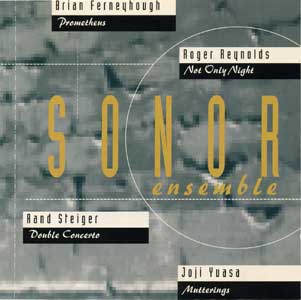
SONOR ENSEMBLE CRI-New World Records Available at: Amazon.com Odyssey (1989-93) ROGER REYNOLDS Neuma Records Available at: amazon.com Neuma Records The Palace [Voicespace IV] (1978-80) ROGER REYNOLDS Lovely Music, Ltd. VINYL & CD CD available at: amazon.com amazon.co.uk Vinyl available at: Discogs Personae (1989-1990) VIOLIN WORKS BMOP Avaliable at: Bandcamp 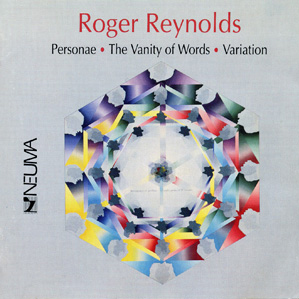 Neuma Records Available at: amazon.com amazon.co.uk Neuma Records Piano Etudes (2010-11 and 2016-17) 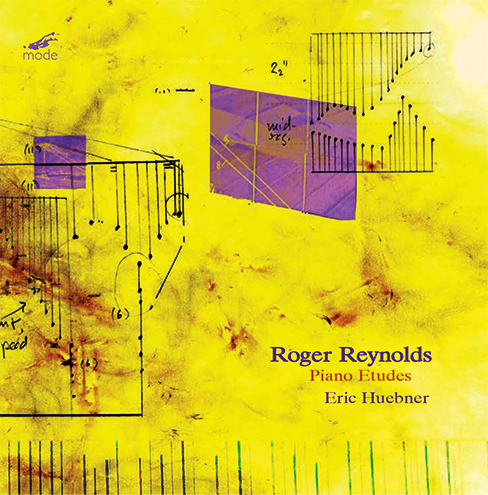 ROGER REYNOLDS mode records Available at: amazon.com Mode Records Ping (1968) 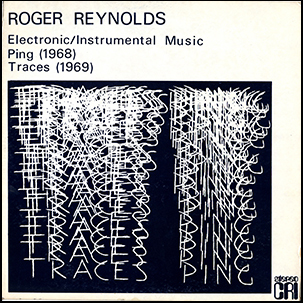
ROGER REYNOLDS CRI-New World Records VINYL Available at: PING and Traces are available on vinyl at: amazon.com CD: All Known All White amazon.com 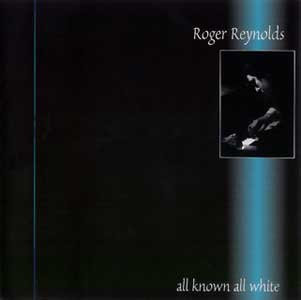 ROGER REYNOLDS Pogus Productions Available at: amazon.com …the serpent-snapping eye... is available on vinyl at: amazon.com Ping and Traces are available on vinyl at: amazon.com A Portrait of Vanzetti (1962-63) New World Records Available at: amazon.com Process and Passion (2002) ROGER REYNOLDS Pogus Productions Available at: amazon.com ROGER REYNOLDS mode records Available at: amazon.com Quick Are the Mouths of Earth (1964-65) 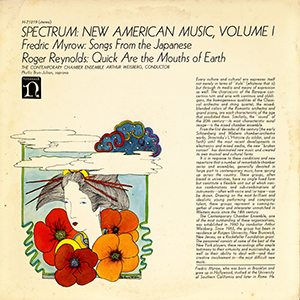 Nonesuch Records VINYL available at: amazon.com The Red Act Arias Suite 2001 (1997-2001) mode records Available at: moderecords.com Amazon.com Sanctuary (2011) 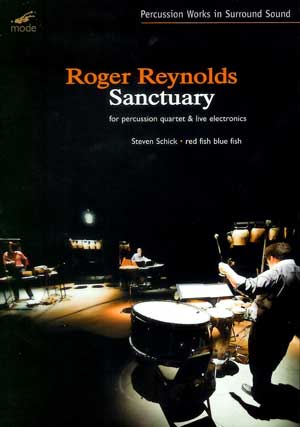 mode records Available at: moderecords.com Amazon.com ...the serpent-snapping eye... (1978) 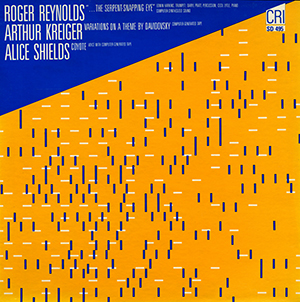 CRI-New World Records VINYL & CD vinyl available at: "…the serpent-snapping eye..." amazon.com CD "all known all white" available at: amazon.com ROGER REYNOLDS Pogus Productions Available at: amazon.com …the serpent-snapping eye... is available on vinyl at: amazon.com Ping and Traces are available on vinyl at: amazon.com Shadowed Narrative (1978-81) 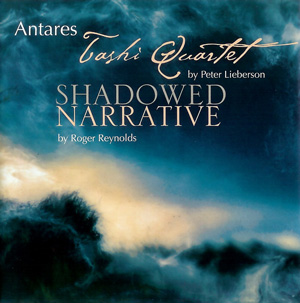 BY PETER LIEBERSON AND ROGER REYNOLDS New Focus Recordings Available at: newfocusrecordings.com amazon.com Shifting/Drifting (2015) Available at: Neuma Records
Kairos Available at: kairos amazon.com Sketchbook Available at: Neuma Records Still [Voicespace I] (1975)
VOICESPACE Lovely Music, Ltd. VINYL & CD CD available at: amazon.com amazon.co.uk Vinyl available at: Discogs Summer Island (Islands from Archipelago: I) (1984) ROGER REYNOLDS Neuma Records Available at: amazon.com Neuma Records Symphony[Myths] (1990) 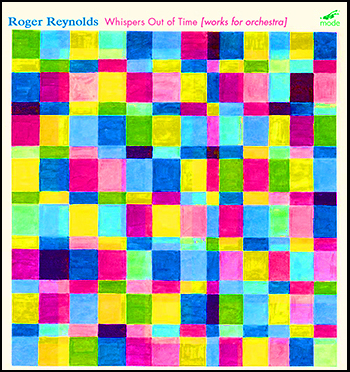 ROGER REYNOLDS mode records Available at: moderecords.com amazon.com Symphony[Vertigo] (1987) ROGER REYNOLDS mode records Available at: moderecords.com amazon.com Thoughts, Places, Dreams (2013) mode records Available at: amazon.com Traces (1968)
ELECTRONIC / INSTRUMENTAL ROGER REYNOLDS VINYL CRI-New World Records Available at: PING and Traces are available on vinyl at: amazon.com
ALL KNOWN ALL WHITE ROGER REYNOLDS Pogus Productions VINYL Vinyl available at: amazon.com COMPLETE PIANO WORKS EPIGRAM AND EVOLUTION mode records Available at: moderecords.com amazon.com Transfigured Wind II (1984) 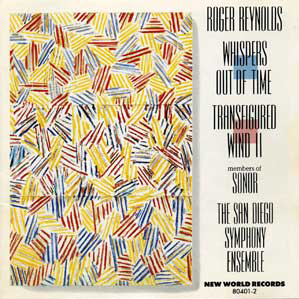 TRANSFIGURED WIND II New World Records Available at: amazon.com amazon.co.uk Transfigured Wind III (1984) to the Music of Roger Reynolds Neuma Records Available at: amazon.com Neuma Records Wind Concertos Divine Art Ltd Available at: Divine Arts Records Transfigured Wind IV (1985) Innova Recordings Available at: amazon.com amazon.co.uk DVD available at: amazon.co.jp The Vanity of Words [Voicespace V] (1986) 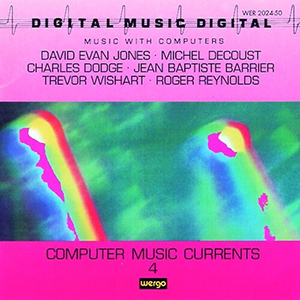 WERGO-Schott Music Available at: Schott Music amazon.com Neuma Records Available at: amazon.com amazon.co.uk Neuma Records Variation (1988) Neuma Records Available at: amazon.com amazon.co.uk Neuma Records COMPLETE PIANO WORKS EPIGRAM AND EVOLUTION mode records Available at: moderecords.com amazon.com Versions/Stages I-V New World Records Available at: amazon.com amazon.co.uk DVD available at: amazon.co.jp Visions (1990-1991) Montaigne and ℗ 1994/96 © 2000 AUVIDIS / NAÏVE Available at: amazon.com Watershed I (1995)  Neuma Records Available at: amazon.com Neuma Records Watershed IV (1995) mode records DVD Available at: moderecords.com Amazon.com Wedge (1961) New World Records Available at: amazon.com New World Records Whispers Out of Time (1988) New World Records Available at: amazon.com amazon.co.uk Mode Records Available at: Moderecords.com amazon.com 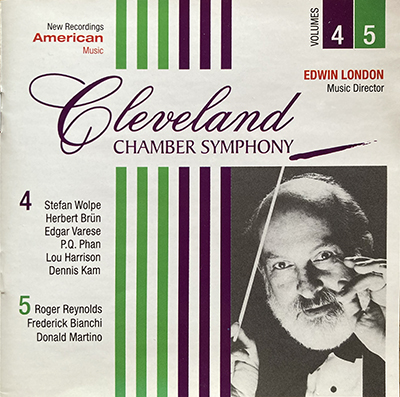 TNC Recordings Whispers Out of Time re-released on Mode Records "22" 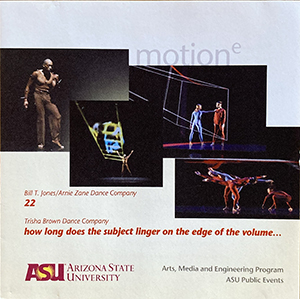 "22" |
||